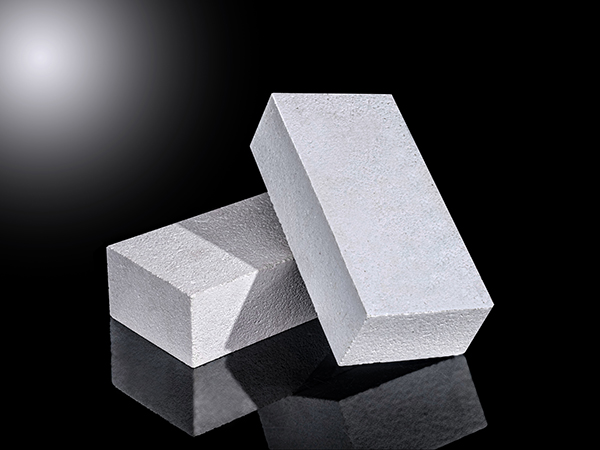
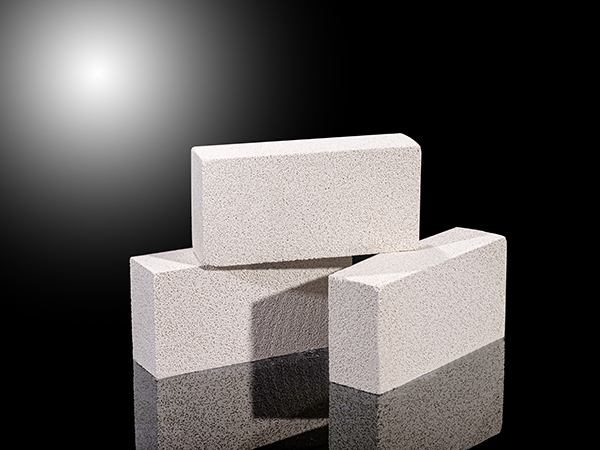
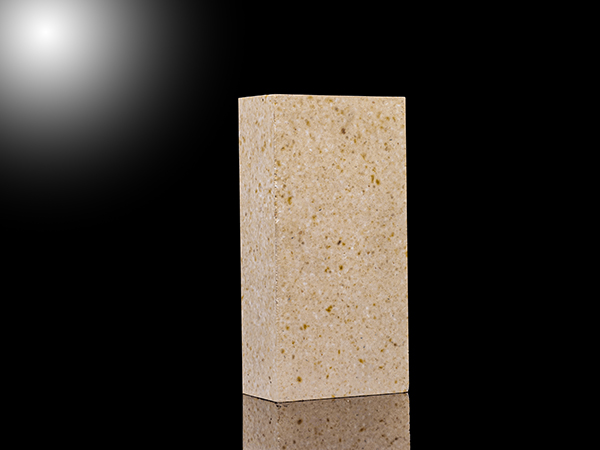
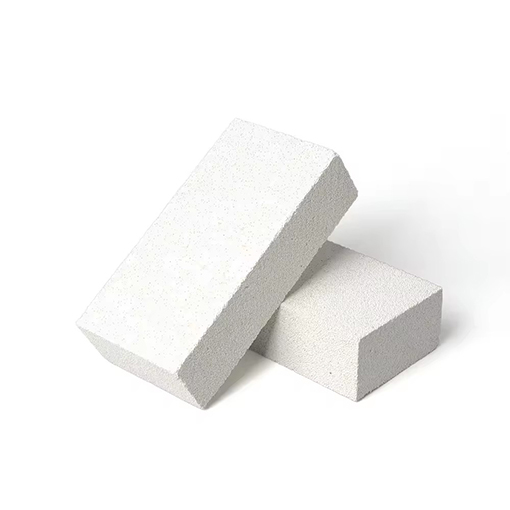
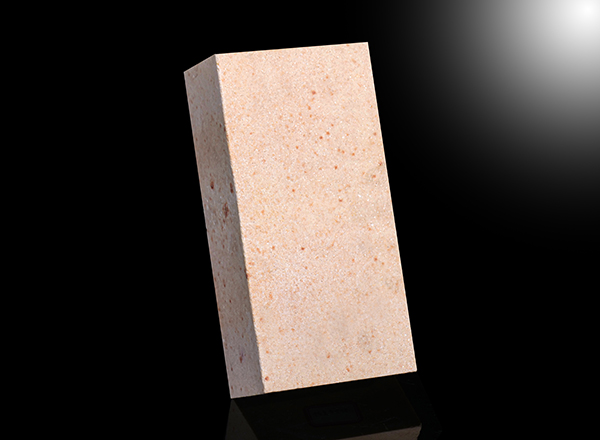
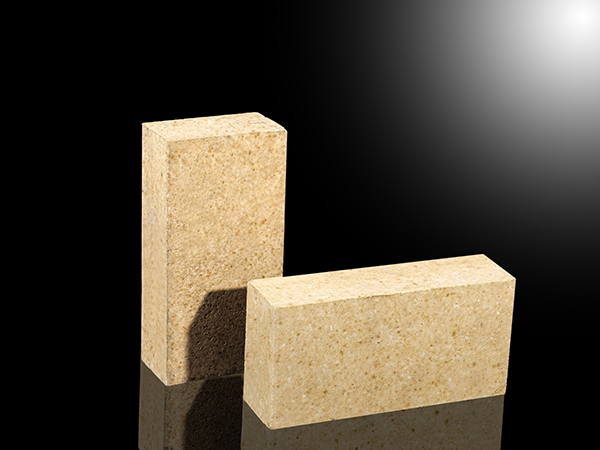
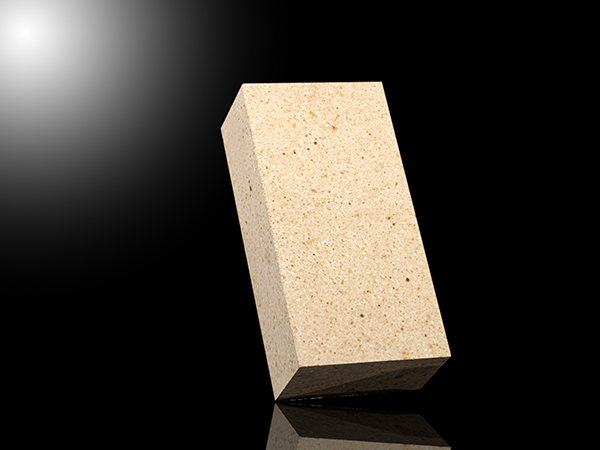
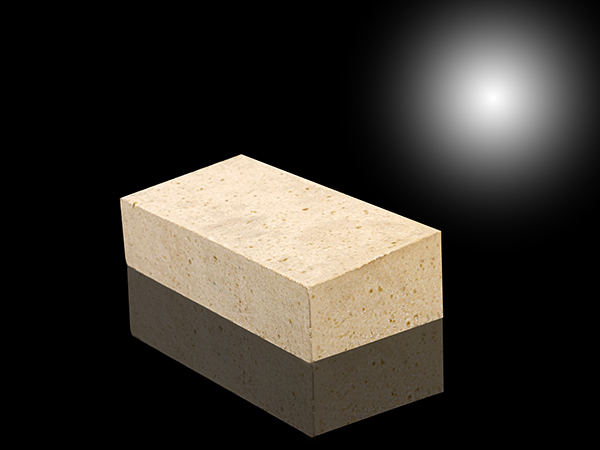
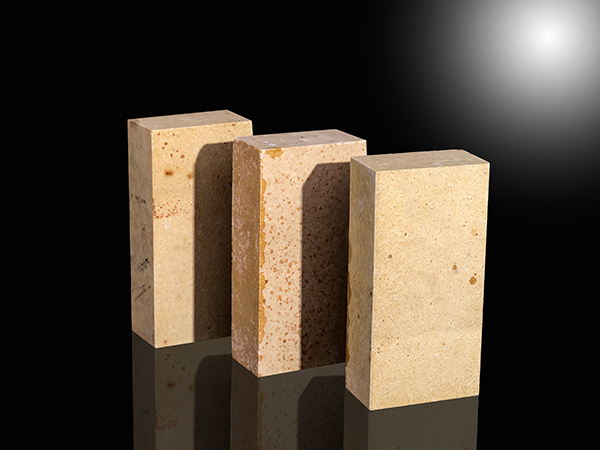


High-alumina bricks are refractory bricks made primarily from high-alumina bauxite, possessing advantages such as high refractoriness, and thermal stability. They have extensive applications, mainly used for masonry in high-temperature kilns such as blast furnaces, hot blast stoves, electric furnace roofs, blast furnaces, reverberatory furnaces, and rotary kiln linings. Additionally, they are used as regenerative checker bricks in open hearth furnaces, for pouring systems, and nozzle bricks. The main characteristics of high-alumina bricks include: High refractoriness: The refractoriness generally ranges from 1750 to 1790°C. High load-softening temperature: Due to the high Al2O3 content and low impurities in high-alumina products, the formation of fusible glassy phases is minimal; therefore, the load-softening temperature is higher than that of fireclay bricks but lower than that of silica bricks. Slag resistance: High-alumina bricks are neutral materials capable of resisting both acidic and basic slags, though their resistance to basic slags is relatively weaker. Good high-temperature stability: can be used for long periods in high-temperature environments, and the crystallized oxides after sintering are more stable than the raw materials. Good thermal shock resistance: They possess resistance to sudden temperature changes and are less prone to thermal shock cracking. The production process of high-alumina bricks is divided into dry pressing and semi-dry pressing. Semi-dry pressing involves treating the formed green bodies with dipping after dry pressing, which increases the density and refractory properties of the bodies. High-alumina bricks also have wide applications in the chemical industry, such as in equipment like catalytic cracking furnaces, heavy oil hydrogenation units, and catalyst preparation furnaces, effectively improving the corrosion resistance and service life of the equipment.


